
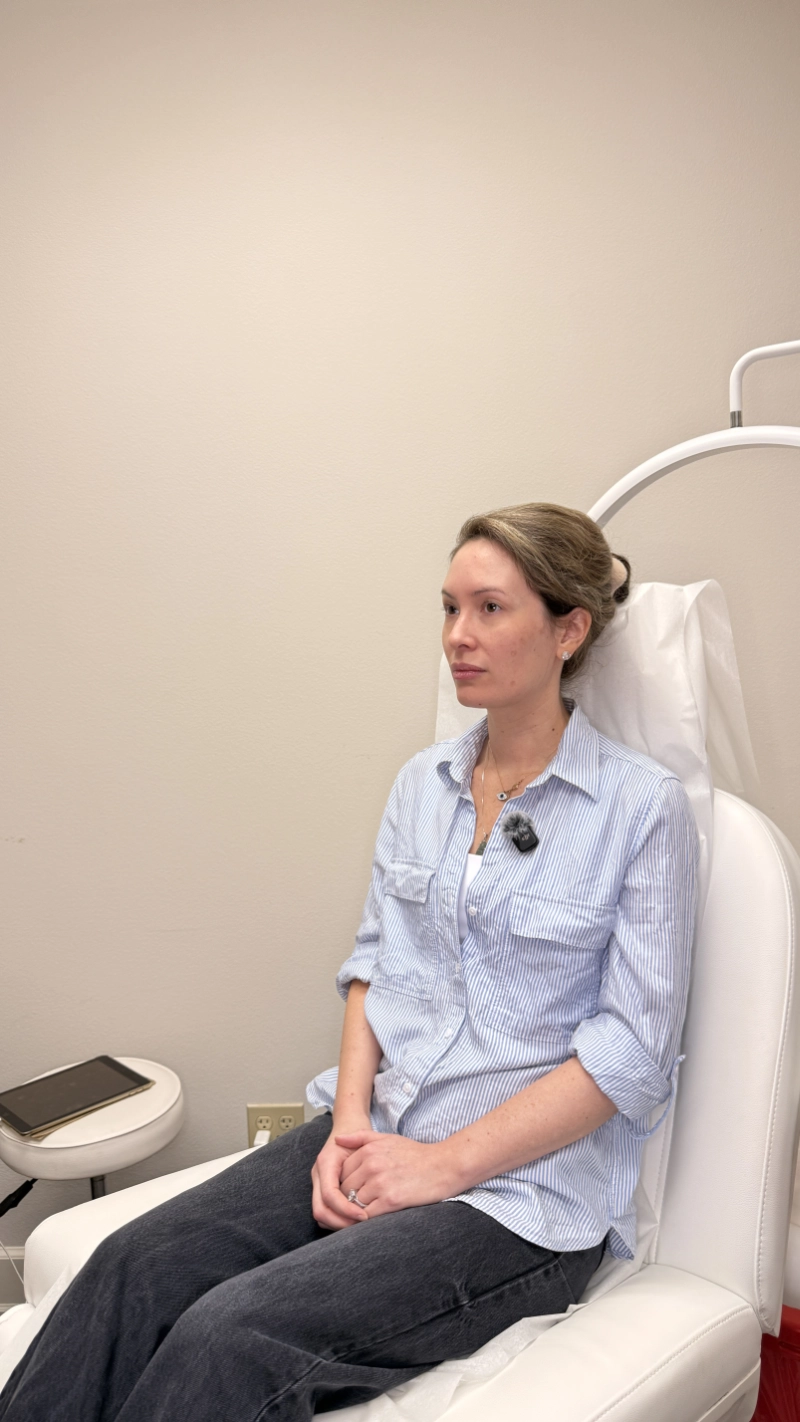
Softening expression lines while preserving natural movement
What Botox helps with
Botox is used to soften dynamic lines caused by facial expression. Common treatment areas include the 11’s (glabella), forehead lines, and crow’s feet. When dosed properly, Botox can help you look more rested and refreshed while still looking like yourself.
request an appointmentWho Botox is best for
Botox may be a good option if you’re noticing early expression lines, want to prevent deeper wrinkles from forming, or want subtle softening in the forehead, between the brows, or around the eyes. It is ideal for first-time injectable patients who want conservative, natural-looking results.
What Botox will not do
Botox will not fill deep, etched-in lines on its own, and it will not replace volume loss treatments like filler or collagen stimulators. Botox should not create a “frozen” look when performed conservatively—your face should still move and look natural.
What to expect
Your appointment begins with a facial assessment to determine how your muscles move and whether lines are present at rest or only with expression. Treatment is quick, and comfort measures like ice or vibration may be used as needed. Mild redness or small bumps at injection sites can occur and typically resolve within about 20 minutes.
Aftercare guidance is provided before you leave.
Results and longevity
Some patients begin noticing results in about five days, with full results typically visible at two weeks. Botox results most often last about three to four months. Consistent maintenance helps prevent lines from becoming deeper and more difficult to soften over time.
Our approach
Botox is dosed based on your anatomy, muscle strength, and whether lines are present at rest. The goal is balanced relaxation—not over-treatment. Product is prepared according to manufacturer protocols, and treatment is only performed when appropriate and medically safe. Natural expression is preserved.
Recommended if you’re new to wrinkle relaxers, unsure what areas to treat, or want a conservative plan.
For existing patients returning for routine maintenance.